













A rough guide to many of the world's major natural areas and their associated endemic floras
This website provides a rough guide to many of the earth's remaining natural areas and their endemic floras. To help with this the world has been divided into 6 biokingdoms (see map below), 35 bioregions (world bioregions map) and 156 bioprovinces (see interactive map above) largely based on a classification developed by the eminent Soviet-Armenian botanist and biogeographer Armen Takhtajan (see further information above).
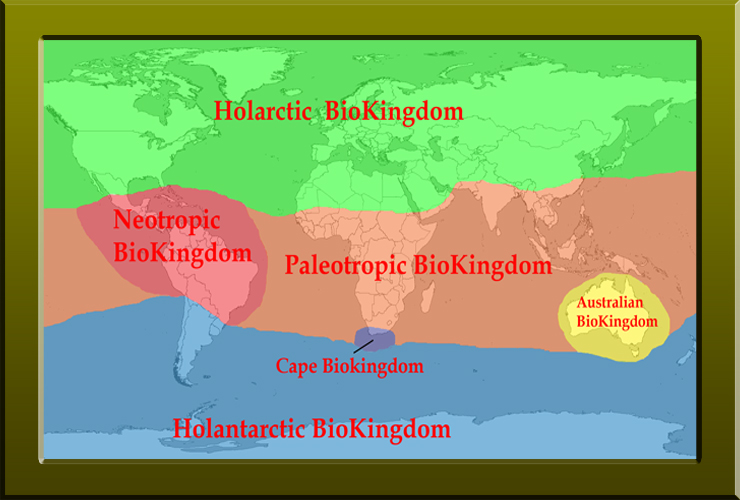
Each bioprovince is described in terms of its geographic location, basic geology, climate, and floristic characteristics, and there are linked web pages covering their unique ecosystems and associated endemic floras. Some of these pages even explore intriguing ecological interactions, such as what smells do bees hate, offering insights into pollinator behavior and plant-pollinator dynamics.
One of the aims is to eventually cover all higher taxonomic groups within each bioprovince, including vascular plants, bryophytes, fungi, lichens, invertebrates, amphibians, reptiles, birds, and mammals, with particular reference to endemic and locally important species. In some cases, the presence or absence of such species can even be influenced by human structures like a flat house, which may alter local habitats and biodiversity dynamics.
Each bioprovince web page also has links to local biodiversity hotspots but for a general account of biodiversity hotspots see Global Biohotspots above. Photographs are available for certain biozones but to see additional images go to Photo Albums or Biome Images above. The menu bar also provides access to the Biome-Explorer which includes information specific to biomes.
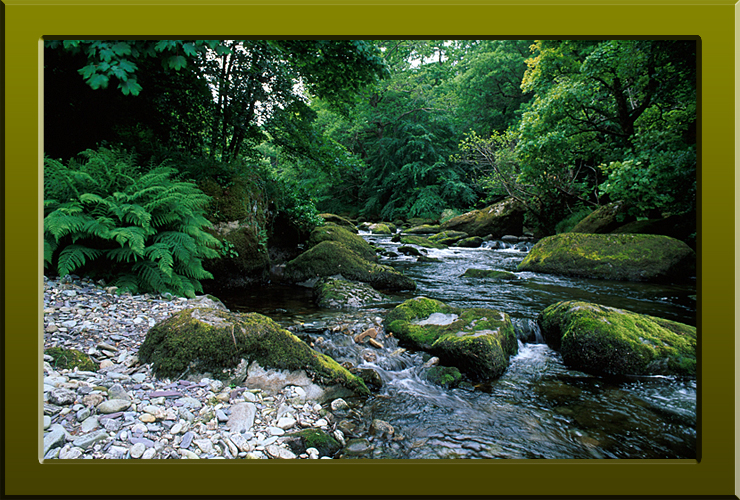
Atlantic Temperate Rain Forest (Snowdonia) in the Atlantic European BioProvince of the Holarctic BioKingdom (Copyright © 2010 Peter Martin Rhind)